Pages

Showing posts with label week 1. Show all posts

Monday, October 18, 2021

Workshop 4: Lighting & Colour - English

 Atmosphere - feeling/mood set in the scene

Mood - the way we feel/emotional response

Location - area it is set

District 12:

What is happening - Katniss is jogging through the District

Types of colour/lighting - cold colours-more, grey undertones

                                          dull colours - nothing stands out blue-grey shades

                                          natural colours - palette - greens,browns,grey,black

                                          Lighting - cold, dull, natural

Viewer effect(feel) - not welcoming, unpleasant, run-down, dirty, poor

Directors purpose - shows how unpleasant it is to live in the districts, underprivileged, good comparison for Capitol

Other Techniques - setting - dirt roads, houses derelict, transport, old fashioned, wagons, no electricity

The Capitol:

What is happening - The citizens of the Capitol are waiting the arrival of the tributes

Types of colour/lighting - colours - cold- white undertones

                                                         bright/artificial

                                       - lighting - cold (white) artificial, bright

                                       Palette - setting - whites/melatics, bright, vibrant, colourful

Viewer effect (feel) - these people are privileged, they are celebrating, they are more advanced

Directors purpose - Makes us sympathise with the tributes - they have lots and the districts have none, don't like them because they seem over the top of arrogant

Other Techniques - Costume - rich, extravagant, flaunting, over the top

                                Settings rich, modern, technologically advanced, clean new.

The Control Room:

What is happening - People are manipulating the arena via computer

Types of colour/lighting - colour palette - blue/white/dark grey/clinical

                                          colour - cold (blue/white) bright-especially white shirts

                                                        artificial lighting/colour - cyan/holographic

Viewer effect (feel) - makes us feel they are smart but unsafe, scientific

Directors purpose - Makes us feel like they are mindless drones, detached from reality

Other Techniques - Costumes -white lab coats - feels like an experiment

                                Settings - no clutter, lots of techs, only focused on the one job

Tuesday, August 3, 2021

Language of Film | English

Body Language: A way of giving signals a nonverbal way to communicate, can be shown to the

opposing by posture, facial expressions & hand gestures


Costumes: A style of dressing up, used to describe its characteristics, meaning able to tell how old the character is and its various personalities


Hairstyles: Another way of describing and telling the audience the personalities or how old he/she/it can be


Make-Up: Used to match/give the actor similar characteristics as the character being played as


Back Lighting: A lighting technique where light is placed behind or angled from behind an object, scene, person to give out dept and different effects. Commonly used in theatres & photography


Props: An object used for a performance or play, using such objects make the scene look more realistic whether its the item held by the character or used by them


Settings: Use of different types of sceneries, to show the audience the different surroundings and, definitely seen in movies to tell a story or/and the storyline


Dialogue: A conversation between two or more people, verbal communication or discussion to another, used to change the way we watch and observe the movie/film or a play


Ambient Sound: Background noise used such as birds chirping, traffic noise, rain and etc, to show what is happening around the character and the type of setting he/she is at, also lets the viewer know a given location of the space or area of where the scene takes place


Music: To change the mood of the observer/viewer/audience or/and to illustrate the continuous scene & storyline


Silence: To grow suspense or to elevate the tension or change of emotions within the scenery, change of atmosphere or seriousness


Symbols: Often appears within or throughout the film which represents something such as an object, person, animal, specified colour. Used to help give or describe a given concept that usually does not get spoken verbally


Special FX: Used to make the scene or the movie itself more realistic from anyone's point of view and allows to do such things that can't be done within this period or if it's fictional


Cross-cutting: A editing technique used to switch back and forth between scenes, used if multiple actions are happening in different settings or locations from one another


Flashback: Used to take back to what has occurred in the past, can expose the characters more, to take the reader/audience back into the characters life and show the past events the character experienced


High Key Lighting: Reduces the lighting rate in the scene meaning less diversity between the dark and bright tones, makes the scene easier to see and the shadows visible


Threnody: An sentimental poem or song that is used to mourn for someone who has passed on, simple meaning, a song or poem of grief for the dead


What am I learning? Currently learning the different languages used in films and having a full understanding of what the languages mean

How does this work show my learning? Proof of my completed work is shown on my post and published onto my blog for others to view and see-through

What am I wondering as a result of this learning? I have no thoughts or questions on the topic

Thursday, May 6, 2021

The Great Pacific Garbage Patch | Social Studies

Yesterday we started on a new unit in social studies called 'Trashing the Planet', we had been learning about waste and GPGP(The Great Pacific Garbage Patch), the impacts on the environment and sea life and ways we can reduce the risk of causing harm to our ocean and marine life. We were given the task to make a slideshow and show our learning with the information we gathered on our own and share it on our blogs to raise awareness about what is going on in our ocean.

Tuesday, May 4, 2021

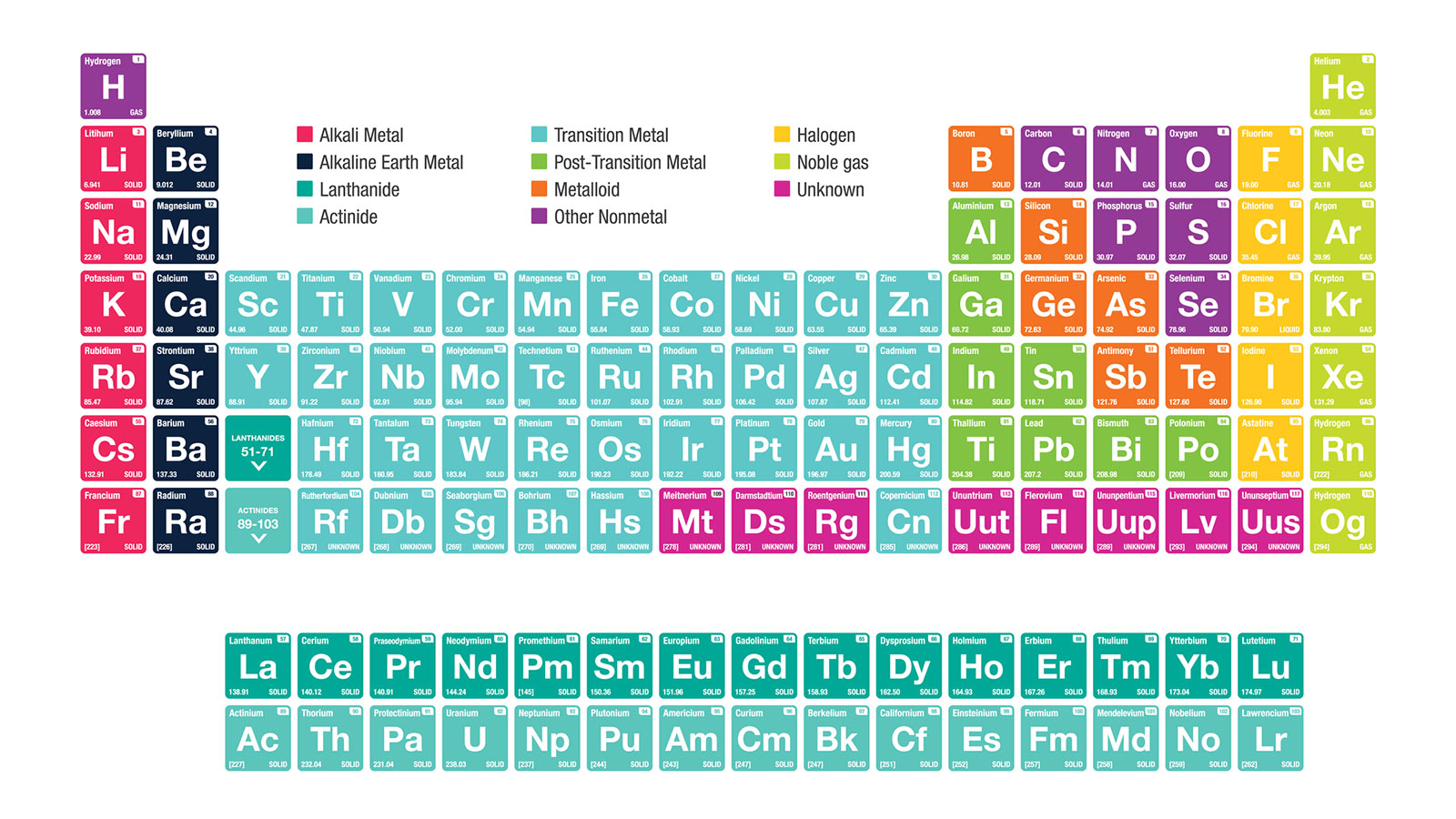
Alkaline Metals | Science

What is an Alkaline Metal?

Alkaline metals are solid soft metals, they stay solid in room temperature but is a soluble meaning it can be dissolved in water and is highly reactive when reacting with H20. There are 6 alkali metals: Lithium, Sodium, Potassium and 3 more alkali metals belong in the same group because they have one electron in their outer shell and all these elements form oxide when dissolved in water to form alkali. 

Alkali Metals: Facts About the Elements on the First Column of the Periodic  Table | HowStuffWorks

After the alkali metals react with the water it can fizz up and start but at the same time it is reacting with the oxygen we have creating a Hydrogen gas which occurs when the metal itself explodes or self ignites. The reason to why the alkali metals are soft is because it has 1 electron so the bonding is weak between all the atoms.

Where are they on the P. Table?

They can be found on the left side in the first column which contains the few metals that are reactive which are, Lithium, Sodium, Potassium, Rubidium, Cesium/Caesium and Francium.

What Reaction did we do yesterday?

Yesterday we used Lithium and Sodium to see and observe how both these elements react with water. The results were quite amazing and very interesting. The chemical reaction that was used was :

Sodium + Water →Sodium oxide + H20

Chemical Equation: 2Na + H20 →Na20 + H2

Observasion: When observing the experiment we found a lot of interesting things, once the Sodium was dropped into the water it began to fizz up which indicates that it is already reacting with the oxygen and H20. It didn't take too long until it set itself on fire and exploded. Lots of sparks occurred during the explosion and huge amounts of Hydrogen gas was released, during the explosion I also noticed that when these sparks flew and the fire was gone it left behind bits of what was now called Sodium oxide or in simple, sodium powder.  

Why do these metals react this way?

Because all the alkali metals have 1 electron in their outer shell meaning they are highly reactive

Tuesday, July 21, 2020

Workshop 4:How does Music enhance the story?

Music

Diegetic Sound - sounds added to a scene  eg music

Non - dietetic Sound - sounds that happen naturally in a scene eg footsteps, wind blowing leaves

Chords - Major - written in a major key, has a happy uplifting tone
               Minor - written in a minor key, has a sad, gloomy, morose tone

Tempo - fast - could walk quickly to, makes music feel energetic, gives movement
Speed        moderate - mix of two
              slow - dragging feet pace, makes music feel lethargic, boring, energy lacking, sleepy

Dynamic - Loud(forte) - gets viewer attention, enhances emotions/mood - makes happy happier etc
volume          Quiet(piano) - either background noise or used to make viewer focus
                  Changing - quiet-loud - builds intensity
                                     loud-quiet - draws focus

Mr Taylor
How I feel about song 1:Happy, Calm, Uplifting
How I feel about song 2:Depressing, Lonely, Gloomy

Music

      Opening Scene

Chords - minor - has a sad vibe, feels creepy, unsettling

Tempo - Moderate - feel on edge, walking pace, gives energy

Dynamics- Changing - starts quiet, gets louder, grabs our attention, builds emotion & intensity

Mouse Circus

Chords - minor - is very upbeat and energetic but minor tone makes it feel off/uncomfortable

Tempo - fast - gives us upbeat, want to move energy, makes the circus feel fun & lively

Dynamics - loud - makes viewer feel hyped up, energetic, invited to join in

Tuesday, April 30, 2019

Hurumanu:Flight

AimTo learn about flight and aerodynamics. 

  • In your groups of 3  make a paper plane and measure its distance and behaviour.
  • In groups of 3 make a water rocket and record its distance and behaviour. 
Image result for lift thrust drag weight
Flight: The action of an object flying through the air.

The forces:
  • Gravity
  • Thrust
  • Drag
  • Lift

Paper Plane:

Materials:

1.Paper
2.Ruler

Steps:

1. Fold in half and open it up
2. Take two top corners and fold it to the middle line
3. Fold it down to its line
4. Then take the two top corners and fold it into the middle
5. Fold it in half and it may look like a plane with no wings
6. Then you might see three corners, one at the front, one at the back corner and one in the middle. Take the middle corner and fold that down to the bottom and curse it from front to the back.
7. Do the same to the other wing, then fold the corner again to make flaps

Findings:


Plane Type
Distance
Behaviour
Normal
0.5mI goes smoothly through the air and lands smoothly

Ailerons
0.3mCurving as soon as lauched and starts doing flips.

Paper clip


0.1mIt falls instantly as soon as its lauched.

Conclusion:
Today in science hurumanu we were doing the flight experiment and the forces of it which are gravity, Thrust, Drag and Lift. We had to get in groups of three to do this experiment so I teamed up with Kaedun and John. I and my two partners made a paper plane to do this experiment and we did measures of it and put it in a template above, we did three experiments on the plane.

We first threw the plane normally and measured the distance which was 0.5ms and the movement of the plane was smooth and also the landing was smooth too, we then improved the plane by cutting the back of the wing a bit and it looks like there are two extra small wings in each wing. The measurement of the improved plane's distance was 0.3m because it was curving and started doing flips as soon as we launched it.

For our last experiment on the plane, we put a paper clip at the end of the plane and launched it, unfortunately, the plane went 0.1ms. By adding that paperclip, it made the plane dive straight to the ground instantly as soon as we launched it. The flight meaning is an action of an object that fly's through the air.