Pages

Showing posts with label Climate Chaos. Show all posts

Thursday, November 7, 2019

Hurumanu- Carbon Footprint

Today in science, we have been doing an activity about Carbon footprint. So what is Carbon footprint?

Carbon footprint is a mark you leave on your planet, not with your shoes but every action that releases Carbons. Carbon is a harmful gas such as CO2 which are formed by burning fossil fuels like oil and gas, the more fuel you use the bigger your footprint will be. So using fuel comes from a long way by taking oil out from the ground, shipping it which contains carbon, operating the oil by factories which produce carbon to trucking it to a petrol station which also contains carbon.

So basically everything we own has a carbon footprint like computers, phones, furniture and etc. The book you read is a carbon footprint because it uses energy to be created by factories and trucks or ships transport it. Even something so basic like an apple could be transported by a plane which produces more carbon polluting the air which is hard to get rid of, then it is delivered to supermarkets.

It is clearly impossible to leave your carbon footprint behind as long as you make the right choice like using more transport or biking to work, growing your own fruits and veggies and other local food that are not transported. That's what a Carbon Footprint is and I hope you learned something from it.

Carbon Footprint explained-This is a video explaining what Carbon footprint is.

Carbon Footprint- This was printed and handed out to all students doing Science.

You will need:
  1. 2 different colouring pencils
  2. The Carbon Footprint Handout.
We will look at our Carbon Footprint under the following headings.

  • Dwelling
  • Water
  • Recreation
  • Heating and cooling
  • Electricity
  • Transportation
  • Food
  • Waste
  • Air Travel
  • Consumption

Orange: For actions, I am already doing 
Blue: For actions that I pledge to undertake in the future

List 5 of the actions you pledge to undertake in the future.
  1.   Check labels and try to buy local foods
  2.   Recycle everything as much as I can
  3.   Conserve more water
  4.   Hang out with my friends more and do activities that don't involve Carbon Footprint 
  5.   Use less power


Ecological Footprint explained film

Ecological Handprint 

You will need:
  1. 2 different colouring pencils
  2. The Ecological Footprint Handout.
The Ecological handprint builds on the concepts from the Carbon Footprint. We will look at the positive actions you can take with:

  1. Transportation
  2. Community
  3. Consumption
  4. Water
  5. Food
  6. Home
  7. Waste
1 Colour: For each action you are already doing 
2 Colour: For each action you would like to do in the future

List 7 of the actions you pledge to do in the future.
  1.   I look at labels and try to buy the local foods
  2.   I conserve energy every chance i get 
  3.   I use energy efficient light bulbs and turn things off every chance i get.
  4.   I try to walk or bike every chance i get.
  5.   I compost and recycle 
  6.   I live in a 1 or 2 bedroom house 
  7.   I conserve but still need to shower everyday.

Monday, November 4, 2019

Hurumanu-Climate Change and the Future

Aim; To look at the different ways we can prevent climate change in the future.


What places will be affected?

Most places near the harbour and sea will be affected by sea rise, people live by the sea will probably make them move out and find another place to stay so this is a risk to the people by harbour and sea.

What else do we need to think about?

Basic thinks like drinking water will be bad and people by sea will get more saltwater instead of freshwater. We should use more transport and fewer cars that produce carbon, using cars like hybrid or electric cars can mean less carbon dioxide and no harmful gas that will affect humans. 

What other places around NZ will be affected?

This can mostly affect people living by the coastal, harbour or even by a beach. If the sea level rises it can cause wet-lands being flooded, lots of habitats will be destroyed or ruined, for example, if the salt and freshwater mix up, it can cause extinction to all the fish and birds that have their habitats by the beach or etc. This is also including the plants...

What does this do to our drinking water?

People living by the harbour or sea need water so they are filtered but once salt and freshwater mix it can cause a big problem for people by the sea if they do realize they were drinking saltwater. It can cause dehydration to families and other's that will be affected.

What are the main concerns?


  • Drinking water
  • Flooding
  • Ice melting
  • Sea level rise
  • Extinction
  • Loss of habitats for sea animals


What can we do?
  1.  Use more public transport
  2.  Use more electric cars and/or cars that don't produce carbon  
  3.  Building a house that doesn't waste energy

What is the one, silver bullet solution?

Something that provides a straightaway or effective answer to a difficult question. So scientist can't just come up with a totally solved problem so that we don't have to worry about greenhouse gasses anymore. In particular, we produce or burn a lot of fossil fuel and getting that out of the atmosphere is challenging. 

What is the mix of things we need to start doing?
  1.   Using solar heating so we don't have to use a lot of energy to keep the house warm or cold.
  2.   Using more transport and not depending on cars that produce fossil fuel.
  3. , Using more cars that don't burn fossil fuel or produce carbon dioxide, use more electric cars, hybrids and other cars that don't produce or burn any fossil fuel & carbon dioxide.
What are 3 others you can think of?
  1. Walk more instead of using cars that burn fossil fuel or produce carbon
  2. Use Solar heating more to save energy other than wasting it
  3. Use less fossil fuels

Thursday, October 24, 2019

Hurumanu: Renewable Energy

Aim: To make a presentation that investigates different renewable energy's.


1. Hydro Energy - The Energy is generated through hydropower depends on the water cycle which is operated by the sun, this makes it a renewable power source making it a more reliable source other than fossil fuels that are quickly being wasted.

2. Solar Energy - Solar Energy is luminous light and heat from the sun that is harnessed using a reach of technologies such as solar heating & Solar Panels. It is a renewable resource, 
it is obtained from the sun's rays. Solar energy is transformed immediately to electricity through a solar photovoltaic panel. Solar rays are collected off reflective surfaces and heats an object to process it that creates solar thermal energy.


3. Wind Energy - Wind Power or Wind Energy is operated by the wind to provide it to function and make power through wind turbines to turn electric generators, it can do other work like milling or pumping. Wind power is sustainable and renewable energy and has a much smaller impact on the environment compared to burning fossil fuels.

4. Wave Energy - Wave power is generated by the up and down motion of floating devices placed on the surface of the ocean, Let's say that wind produces waves and waves produce energy, it is also renewable energy. As the waves travel across the ocean, very high-tech devices capture the physical movements of the ocean currents and the flow to generate power. 
This energy can be used to run turbines and there are plenty of places where the winds are strong enough to produce continuous wave movements or motions.


  1. Type: Hydro
  2. Is it used in NZ? Big hydropower systems have been built in the Central Plateau area of the North Island and in the Mackenzie Basin in the South Island, as a range of power stations on the Waikato River. Early designs such as the Waipori project selected in 1903 and the Lake Coleridge power station approved in 1914 organised New Zealand's use of renewable hydro energy. 
  3. Other Countries that use it? A lot of countries use hydropower energy and it is the officiant way to get energy, countries like Nepal, Zambia, Paraguay, Albania and etc are using hydroelectric power.
  4. How is it used to generate electricity? Hydropower capture's the energy of falling water to generate electricity. A turbine transforms the active energy of falling water into manufacturing energy, then a generator converts the energy from the turbine that is constantly spinning and turning it into electrical energy.

  1. Draw and label a diagram of the main parts of the electricity generator?


Section 4: Renewable Energy in the future.

List 10 ways that renewable energy will be used in the future to replace our current activities.

By using more renewable energy instead of fossil fuels, we would remarkably decrease the current levels of greenhouse gas release and this would have a positive impact on our environment for our entire planet. Renewable energy is not only all about the environment but also give a strong boost to our earnings in order of new jobs. I was told to list it but it is better if it was explained more into details. 

Hurumanu - Solar-powered oven

Aim: To make a solar-powered oven.

Materials: 

  1. Pizza Box
  2. Scissors  
  3. CelloTape
  4. Tinfoil
  5. Black plastic
  6. Ruler  
  7. Pencil
  8. Glad Wrap
  9. Stick
  10. Newspaper
Steps:
  1. Make a little square hole on top of the box  
  2. Surround the square cut out in tin foil  
  3. Tape the square hole with the glad wrap on the underside
  4. Cover the inside with black paper
  5. Tape the inside of the side of the box by the black plastic  
  6. Put the pizza inside and see if it gets hot/warm 
  7. Enjoy your warm/hot pizza or something else you want to put in

Conclusion:

Unfortunately, we couldn't do the experiment due to the weather, there wasn't much sunlight to do this on that day because it was raining by then and the main thing to make this experiment work was that you needed the sun's ray or sunlight to heat it up.

Thursday, October 17, 2019

Hurumanu - Wind Power

Measuring weather.

Definitions:

  1. Anemometer: An instrument for measuring the speed of the wind.
  2. Beaufort wind scale: The Beaufort scale is to measure relating to the wind to see the conditions in the sea or/and on land.

Anemometer

MATERIALS  

  1. Pencil w/rubber on top  
  2.   x1 Pin
  3.   x2 Long sticks
  4. x4 Cups
  5. Sellotape
  6. Scissor

STEPS

  1. Put the stick on top of each other in an X shape and tape it in the middle.
  2. Get a pencil and put the X shape on top of the rubber of the pencil and pin it together through the tape of the X.
  3. Tape all the cup at the end of each end of the X so that can catch the wind.
  4. Take it outside and it should start catching wind... if there is any and depending on how strong it is. 

Group Investigation.

Groups size: 5 
Roles:

  • Timekeeper ( watch)
  • Counter
  • Recorder ( chromebook or refill )
  • Anemometer Manager ( Anemometer)
  • Wind Manager

Instructions:
  • Go to the measuring place and set up your wind gauge.
  • Make sure everyone in your group is ready to start their roles.
  • Record how many times it spins and record it in the table below.
  • Count the number of spins in 15 seconds.
  • Record it on your chart.

FINDINGS


We found that on the Field it was an open space but there was no wind at all and we got "0" spins in 15 secs, the old J block site was removed but has an open space and enough wind to go past, but unfortunately there was no wind and there were "0" spins in 15 secs, we were not sure what was happening. Whether the Anemometer was the problem or there was just no wind, we weren't sure but we did our best to make it at least go in the whole spin. We went to the new artificial grass hill area to see if we can get wind there, but the same results were coming over and over again. Once we moved to the Tennis Court gate there was a difference, we got a little breeze and it had much more wind power to make it spin all the way and we got "1" spin-in 15 secs.

Place name on school grounds                                    Number of Spins in 15 seconds
1.Field0
2.Old J Block site0
3.Grass hill in quad0
4.Tennis Court gate1


CONCLUSION:


The wind was calm and did not produce that much wind to make the Anemometer spin all the way around to call it a full spin, the Anemometer was unstabled between the rubber of the pencil and the pin connected to the rubber. We were given a comment from a gym teacher we should have added a small straw between them to make it more stable and catch more wind.

Thursday, September 26, 2019

My Investigation on Climate Change

Acidification Investigation

ACIDIFICATION


Definition: Acid has been created from carbon dioxide when the ocean or sea absorbs carbon dioxide. It turns the water acid which is called acidification. It causes it from the atmosphere where there's lot's of carbon dioxide due to human activities which are producing more acid than ocean absorbs into itself causing it to be more acidic.

What is happening to the oceans?

  • More carbon dioxide is created due to human activity
  • Sealife is having difficulties living in there environment because it has a lot of acid in it
  • More acidic in oceans will harm sea life

What does this do to Shellfish?

  • The Acidification is making shellfish's environment difficult for it to live and increases their death rate including extinction.

How Does Climate Change Contribute To The Acidification Of Our Oceans?

How the carbon dioxide is sucked into the ocean is by doing the water cycle, the carbon is let out into the atmosphere and evaporations happen at the same time mixing the water vapour and the carbon dioxide, turning it into a cloud called condensation. This makes the cloud acidic and then it rains into the ocean enabling it for the ocean to suck all the carbon or acid into itself making it acidic called Acidification.

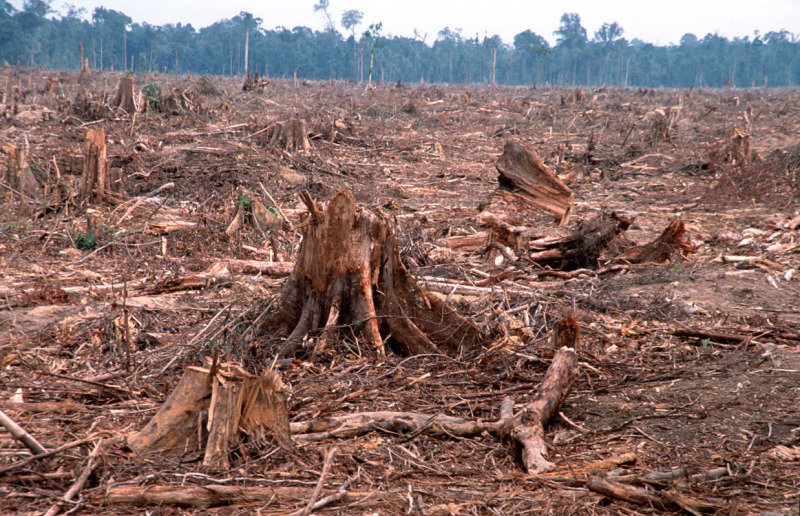
DEFINITION: Deforestation is making a clearance, room or clearing for other uses like agriculture, horticulture, ranches & etc. most deforestation is happening in tropical forest's to clear land to make more buildings. 


What are trees used for?
  • Furniture
  • Houses
  • Buildings
  • Pencils
  • Book
  • Paper
  • Basic School stationary

HOW DOES DEFORESTATION AFFECT THE CLIMATE?


The carbon we breathe out is absorbed by the trees so they can turn it into fresh oxygen, but without them, we will be breathing the same carbon over and over again, it releases greenhouse gas including carbon dioxide. Forest has an ability to take carbon, absorb sunlight, process water and also to block the wind. Without the trees, water won't be absorbed by them and it makes a little stream called a runoff. 

Image result for deforestation


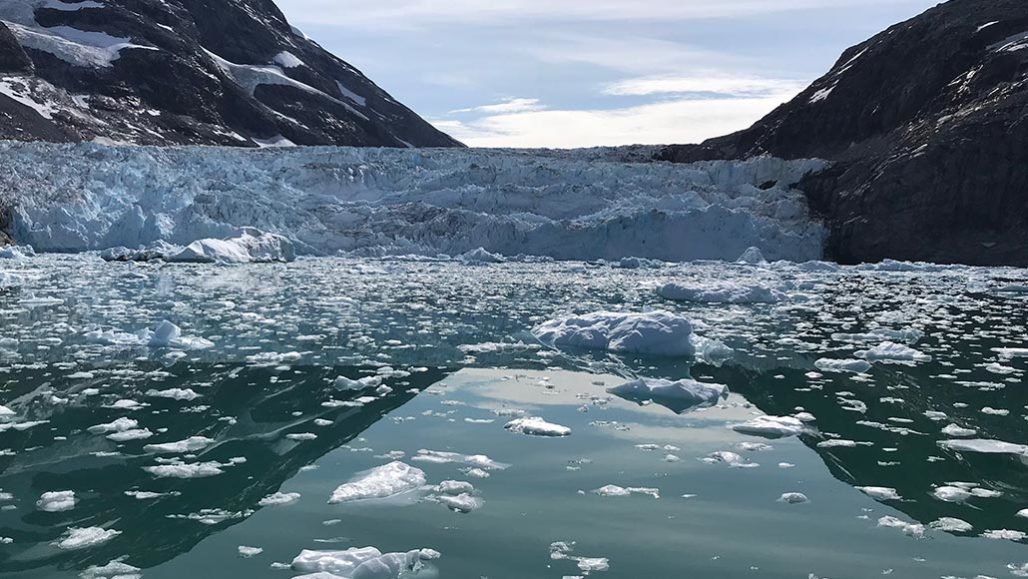
ICE CAP MELT


DEFINITION: ice melting into water, basically polar ice cap melting directly into the oceans increasing the volume of water.

If all the ice melted what would happen?

The sea levels would rise causing citys and towns being flooded or be taken over by the ocean. Also, the salt in the water will mix with the freshwater making all the creatures suffer from the environment and causing extinction for all sea life in the world.

HOW DOES ICE CAP MELT AFFECT CLIMATE CHANGE?

As the water rises it will affect countries around the globe causing them to move to another country, some may lose homes, family members. Melting ice uncovers land or ocean beneath causing it to absorb more sunlight which means more heating.

Image result for HOW DOES ICECAP MELT AFFECT CLIMATE CHANGE?Image result for HOW DOES ICECAP MELT AFFECT CLIMATE CHANGE?

Monday, September 16, 2019

Hururmanu - Decomposition


Aim: To learn about the rate that different materials decompose.

Hypothesis:

-Bananas
-White styrophone
-Paper
-Bread
-Water

Materials:

  1.   Test tubes(x4)
  2.   Banana(x1)
  3.   Bread(x1)
  4.   Styrophone(x1)
  5.   Paper(x1)
  6.   Test tube rack(x1)
  7. Bung(x4)
  8. Water
Steps:
  1.   Get 4 test tubes and place them in the test tube rack.
  2.   Get the Banana, Bread, Styrophone and Paper and place them in each test tube.
  3. Place a bung on each test tube so it is closed.
  4.   Make sure the test tube is big enough for each strip of materials to fit in.
  5.   That is done and see if they change over the weeks and the colour they change into.
  6.   Record them on the table you made for each week.
  7. Plus: Add half a test tube of water to the bread.

Findings:
It made a MASSIVE difference in week 3, we had 2 weeks of holidays so we could not record by then, it was in the science lab so we could come back and record it then. We started the experiment before the holidays so we had time, we finished it by then and we were ready to record. After the holidays when we came back, it was incredible how much of a change it did in 3 weeks. The banana was a creamy colour until from now it turned black and brown with fungi all over it.

The paper stayed the same because paper takes a long time to decompose so it stayed the same & the same results was with the Styrophone cup which was still white and had no changes at all. But when I and my group looked at the bread, it made a huge difference when water was added. So when we looked at the bread, it was not a piece of bread anymore. It was all liquified and white coloured like milk, it had a few little chunks of the bread but the rest was just liquid. We looked at it for a moment and the movements of the liquid which used to be bread & water, it was slowly making its way as we turned the test tube.

TODAY
Colour
Change
Observations
Banana
CreamNothingWe waited for 3 weeks
Paper
WhiteNothingWe waited for 3 weeks
Styrophone cup
WhiteNothingWe waited for 3 weeks
Bread
WhiteNothingWe waited for 3 weeks


  • Week 3
    Colour
    Change
    Observations
    Banana
    Black & BrownFungi & rotten
    Has rotten & has fungi on the Banana and turned black and brown 
    Paper
    WhiteSameSame...
    Styrophone cup
    WhiteSameSame...
    Bread
    WhiteWhite liquid with a chunk of little pieces
    Turned into liquid and a little chunk of bread was left and looked like milk, water was added so it made a big difference.

Monday, September 9, 2019

Hurumanu-Solar Energy

Solar Energy

Aim: To learn about how Solar Energy is used.

Hypothesis:

These are the colours: Which attracts most heat?

-White
-Black
-Silver

I think that black will attract more energy because on hot day's it absorbs the sunlight and spreads on that colour. Once you place your hand near the colour, you might get a little electric shock but once you place your hand on it, it burns.

Materials:

1. White Paper
2. Polystyrene Cup(x2)
3. Heat Lamp
4. Clear Cup(x1)
5. Tin Foil
6. Black Plastic

Steps:

1. Wrap the tin foil around the Polystyrene cup.
2. Plugin the heat lamp to a powerpoint
3. Wrap the black plastic around the other cup 
4. Pour water inside all 3 of the cups and use white paper underneath the white cup and put the tin foil cup on tin foil and put the black cup on black plastic
5. Face the heat lamp towards the Cups
6. Wait 15 minutes and check how hot it gets with the thermometer


Findings:

Time 
Cup 1
White
Cup 2
Black
Cup 3
Tinfoil
0
161616
15
212421
30
212321
45
222322
Conclusion

Activity:

In pairs rate the livability of coal vs solar energy.

Today we have been continuing learning about solar energy and the changes it does to humanity & Earth. We made diagrams & written key words about Solar, here is the keywords I wrote and we were also given a little activity. Here is the work...

UNABLE TO POST IT...

Comparing Coal energy with Solar energy ( Rate; 1 = poor to 10 = great)

Factor
Solar
Coal
Livability
8
4
Sustainability
10
1
Accessibility
7
7
Cost
4
1
Your choice...


Monday, September 2, 2019

Hurumanu-Issues of Climate Change

Aim: To learn about the different activities that contribute to climate change

1. Industry- Making clothes, cars and electronics produce a lot of pollution and when materials like plastic, metal, cement and etc are made, It creates a harmful gas that is then released into the atmosphere and creates Acid rain which is bad for the environment and Plants.

2. Transport- Most of the cars need gas or liquid oil like diesel to make it move and work. This oil is called fossil fuel, Trucks, ships and other vehicles produce Carbon Dioxid which goes into the atmosphere clearing the land for farms and also greenhouse gases.

3. Waste- Landfills are growing and using up more of our healthy land which we need. When the waste breaks down in landfills, the greenhouse gas is created including methane and carbon dioxide.

4. Cows- Cows create a greenhouse gas called methane when they burp or fart. Methane greenhouse gas is 25 times more powerful than Carbon Dioxide, about 1.5 billion cattles around the world means Methane is having a big effect on Climate change.

5. Food- Food source is good for us to survive but alot of pollution is being created when new food source comes out like cereals turned into sugary bars and etc.

6. Electricity- Electricity is a big help for us to communicate with others on mobile and watch television to see what is happening around the world. It is renewable energy and basically, everything in our house uses electricity.

Sunday, September 1, 2019

Hurumanu-The Greenhouse Effect experiment


The Greenhouse Effect


Materials:

1. 1 Plastic Bottle
2. 1 Teaspoon Baking Soda and Citric Acid
3. 1 Heat lamp
4. 1 Thermometer
5. 100 ml Water
6. 1 Rubber Bung


Steps:

  1. Collect 2 bottles, 2 lamps and 2 thermometres from the teacher.
  2. Set up bottles and lamps beside a powerpoint on a flat surface.
  3. Pour 100ml water and Baking Soda mixture into one of the bottles.
  4. Start to record your findings taken from the bottle thermometers. These must be every 5 minutes.
Findings: 
We only went up to 20 minutes like everyone else, but the changes were not identical when we waited for that long, Bottle number 1 had only water and nothing else, we wait and wait. But the teacher made things speed up by giving us a heat lamp at the very start so we don't have to wait for too long. It started at 21 degrees and like 20 minutes past by, it reached 27 degrees. As for bottle 2 which had CO2 Gas in it, how this worked was that we added Baking Soda in the water and closed it with a bung. The CO2 Gas bottle started at 21 degrees which is identical but as 15 minutes past by, it reached 35 degrees. After 5 more minutes, it reached 41 degrees.

The CO2 Gas bottle started evaporating water and made a gas that was inside it which enabled it that you can't look inside it. CO2 Gas made a big difference and went 14 degrees higher than bottle 1 which was only water. So how it worked was that the CO2 Gas bottle was covered with the bung and so was bottle 1. As the CO2 gas formed inside the bottle, the gas pressure was high so it heated the CO2 gas bottle faster.


Minutes
Bottle 1: Water 
Bottle 2: CO2 Gas
02121
52426
102523
152635
202741
25

30

35

40

45

50


Thursday, August 29, 2019

Hurumanu-Water Cycle

Hi guys, Today for science we have been learning about the water cycle, we had been given paper and a few hexagons shapes in one piece of paper. We had to cut them out and solve the puzzle about climate change and the water cycle. One hexagon said Water Cycle and the other hexagon said Climate change. The rest of the hexagon said things that were related to the other two hexagons.

Here are the words we learnt:

Water Cycle
Climate change
Carbon Dioxide
Transpiration
Evaporation
Acid Rain
Hurricanes
Condensation
Precipitation
Water Vapour

Relative for Water Cycle:
I linked Water vapour, Condensation, Precipitation, Acid Rain, Evaporation & Transpiration.

Relative for Climate Change:
I linked Carbon Dioxide, Hurricanes & Acid Rain.


The Water Cycle
Acid Water Cycle
Does it cycle?
22
Amount of Water
11
Acidity
02

Key: Water and acidity amount: 0 = none 
1 = small 
2 = large